Hair Transplant FAQs

Hair loss is a deeply personal and emotional journey, and every patient's restoration plan will look different. If you're unsure if hair restoration in Pittsburgh is right for you, explore our frequently asked questions below to learn more.
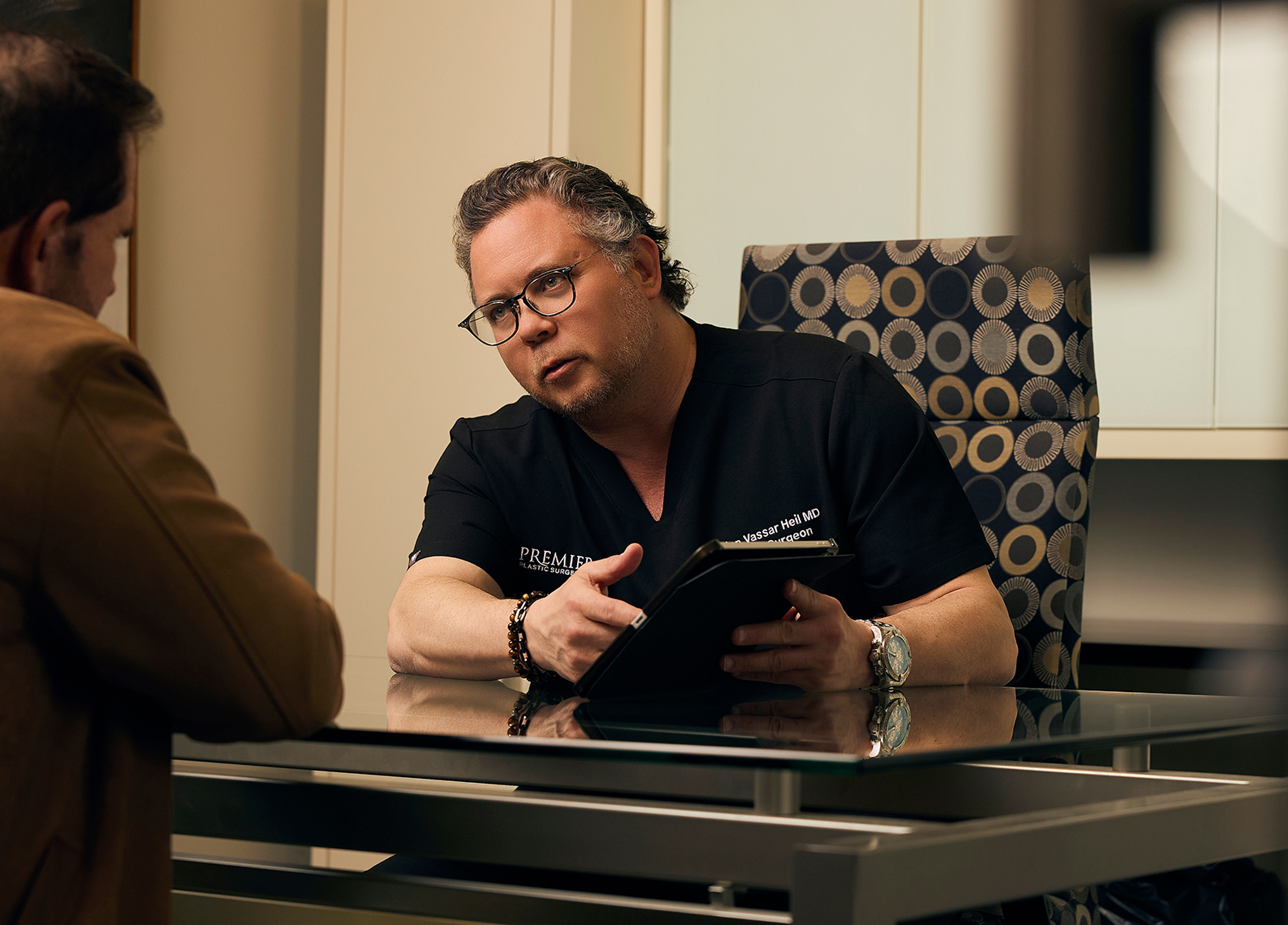

doctor talking ot a patient

Hair Transplant Frequently Asked Questions

How do I know whether I need surgical or non-surgical intervention?

Every patient's journey begins with an in-depth consultation with your surgeon to determine the best approach for their specific situation. Your treatment plan will depend on the degree and pattern of hair loss, the condition of your donor area, and your aesthetic goals. We typically recommend non-surgical treatments only for patients in the earliest stages of hair loss.

At what stage of hair loss should I seek a consultation?

There's no set timeline for hair restoration. Earlier is better, but we'll adapt our treatments to suit your exact situation regardless of whether you're experiencing mild, moderate, or severe hair loss. During your consultation, Dr. Heil will walk you through what's possible for you with restoration.

Is hair transplant surgery safe?

Yes. All hair transplants at Premier are performed at the Premier Center for Hair Restoration, the dedicated hair wing of our state-licensed, Medicare-certified, and QUAD A-accredited surgical center. Your care will be directed by our board-certified plastic surgeons and our team of trained hair specialists and licensed physician assistants.

Will my transplanted hair look natural?

Yes. We focus on creating natural-looking results with hairlines and hair thickness that feel authentic to your face shape and features. We pay close attention to hairline design, follicle angle, and graft distribution to ensure a cohesive, organic result.

How much does a hair transplant cost at Premier Plastic Surgery?

The cost of a hair transplant in Pittsburgh varies widely, and your individual cost will depend on the following factors:

  • Technique used
  • Number of grafts required
  • Surgical complexity
  • Whether non-surgical treatments will be performed in the same session

After your initial consultation, a member of our team will provide a clear cost breakdown, including financing options, for full transparency.

Can I wash my hair after a hair transplant?

Yes, but you must follow our aftercare instructions. We’ll provide you with a list of approved products and demonstrate the proper, gentle washing technique to preserve your graft health and avoid scalp irritation.

What activities should I avoid after a hair transplant?

You should avoid strenuous exercise, swimming, direct sun exposure to the scalp, excessive pressure on the treatment areas, and any activities that cause scalp perspiration for at least two weeks. This helps prevent irritation or trauma and keep your grafts healthy during the early stages of your recovery. We'll provide you with a complete list of activity restrictions after your procedure, and Dr. Heil will confirm when it's safe to return to each activity during your follow-up visits.

Can I wear a hat after my hair transplant?

Yes, with caution for the first two weeks. In the initial recovery period, loose-fitting hats may be worn, after two weeks any type of hat is allowed.

Why does my transplanted hair fall out after the procedure?

Shedding is a normal and expected part of hair restoration recovery. This happens because the hair shaft continues to grow as the follicle integrates into the scalp, and the hair naturally falls out while the follicle remains intact. The follicle then enters a short resting phase before producing new, permanent, healthy hair growth.

How do I maintain the results of my hair transplant long-term?

You can preserve your hair restoration results with non-surgical maintenance treatments, including platelet-rich plasma (PRP) injections and NeoLTS LED light therapy. Depending on your needs, we may prescribe FDA-approved medications such as finasteride and minoxidil to further slow the progression of hair loss around the transplanted area.

Are hair loss supplements covered by insurance?

Hair loss supplements are not typically covered by insurance, as they're considered over-the-counter health products. Your hair loss medication prescription may be covered by your insurance, depending on your insurance plan and the diagnosis associated with the prescription. We'll help you navigate insurance coverage and financing options after your initial consultation.

How do I prepare for my hair transplant consultation?

We encourage you to take some time for self-reflection ahead of your consultation to gain a clear sense of your hair restoration goals, any questions you have about your procedure, and your current medications and supplements. Dr. Heil and his team will spend ample time explaining our process and ensuring that you feel comfortable and have all your questions answered.

FAQ media

”I was going completely bald which was humiliating! After 3 treatments with Dr. Heil, I now have a full normal head of hair...totally saved my ego! Dr. Heil and their team are very friendly and helpful! Can't say enough good about Dr. Heil and his staff!“

—D. Johnston

Quote media

Brian V. Heil MD, FACS

Extensively Trained

Dr. Heil completed a five-year integrated residency in General Surgery and Plastic and Reconstructive Surgery, followed by a fellowship in Microsurgery, before earning board certification through the American Board of Plastic Surgery.

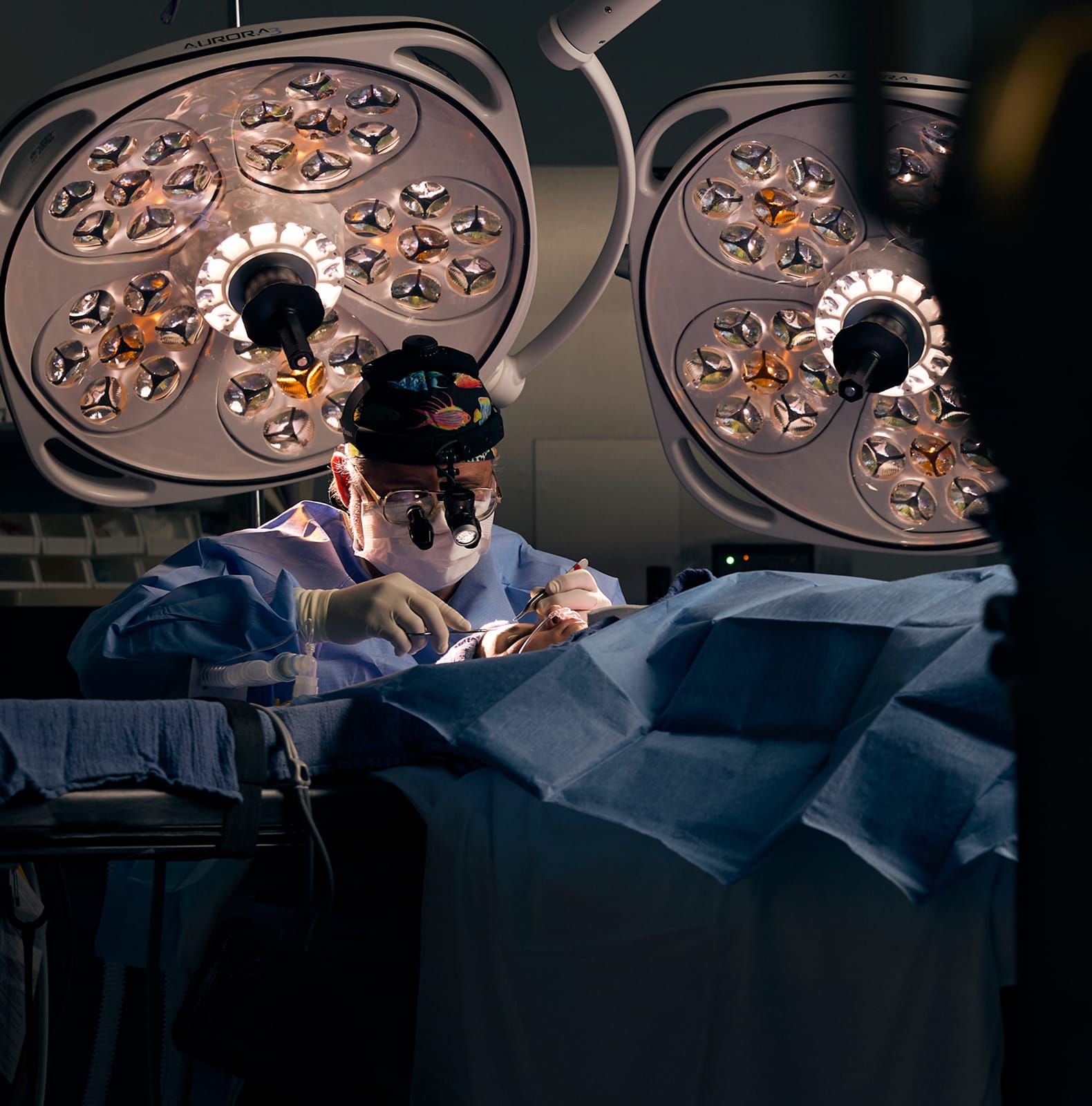
Meet Dr. Heil
Dr. Brian V. Heil Dr. Brian V. Heil Dr. Brian V. Heil Dr. Brian V. Heil performing a procedure Dr. Brian V. Heil

Sign Up for Our Newsletter Get the Latest from Premier Plastic Surgery

Newsletter media
Contact us media

The doctors at Premier Plastic Surgery have either authored or reviewed & approved this content

Accessibility: If you are vision-impaired or have some other impairment covered by the Americans with Disabilities Act or a similar law, and you wish to discuss potential accommodations related to using this website, please contact our Accessibility Manager at +1 (724) 933-1800.
Contact Us